.png)
Mastering Stage Confidence Through Mock Performances.

Preparing for a dance competition involves more than just perfecting steps and technique. The real challenge lies in performing with confidence when the spotlight hits. One of the best ways dancers can build this confidence is by transforming regular rehearsals into mock performances that closely mimic the competition environment. This practice helps dancers get comfortable with the pressure of the stage, refine their timing and spacing, and develop a strong stage presence.

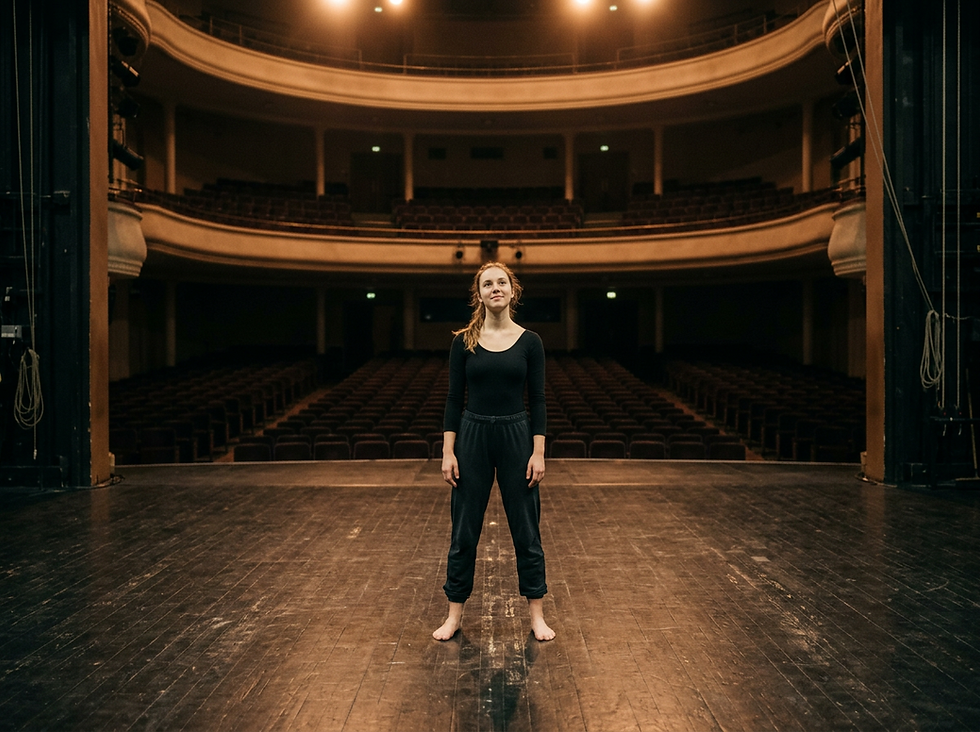
Mock performances help dancers simulate real stage conditions to build confidence.
Why Mock Performances Matter for Dancers
Many dancers focus heavily on technique during rehearsals, which is essential. Yet, when it comes to competition day, nerves and unfamiliar surroundings can affect performance. Mock performances bridge this gap by creating a rehearsal environment that feels like the real thing.
Builds Comfort Under Pressure
Performing in front of an audience, even if it’s just a few peers or instructors, helps dancers get used to the feeling of being watched. This reduces anxiety and helps them focus on their routine.
Improves Timing and Spacing
Practicing full-out on a stage or marked floor allows dancers to fine-tune their movements in relation to the space. This ensures they don’t crowd each other or miss cues.
Develops Stage Presence
Confidence comes from knowing how to engage the audience. Mock performances encourage dancers to project energy and emotion, making their routines more compelling.
Enhances Focus and Recovery Skills
Mistakes happen, but learning how to recover gracefully is key. Simulating real performances teaches dancers to stay focused and keep going despite small errors.
Builds Stamina for Full Performances
Dancing full-out repeatedly during mock runs helps build the physical endurance needed to maintain energy throughout the entire competition routine.
How to Set Up Effective Mock Performances
Turning rehearsals into mock performances requires intentional planning. Here are practical steps to create a rehearsal environment that prepares dancers for the real stage.
Create a Stage-Like Environment
Use a space that resembles the competition stage in size and layout.
Set up lighting similar to what dancers will experience during the event.
Mark stage boundaries clearly on the floor.
Include sound equipment to play music at performance volume.
Simulate the Competition Flow
Practice entering and exiting the stage as dancers would during the event.
Run the entire routine without stopping, just like in competition.
Include costume or makeup elements if possible to add realism.
Invite a small audience of peers, instructors, or family to watch.
Record Performances for Review
Video record each mock performance.
Review footage with dancers to identify areas for improvement.
Focus on body language, facial expressions, and timing.
Encourage Full Commitment
Treat every rehearsal as if it is the actual competition.
Emphasize performing with intention from start to finish.
Remind dancers that this is their chance to practice handling pressure.

Practicing on a marked floor helps dancers refine spacing and timing.
Examples of Successful Mock Performance Practices
Many dance studios and competition teams have seen great results by incorporating mock performances into their training.
Example 1: Weekly Dress Rehearsals
One studio schedules weekly dress rehearsals where dancers perform in full costume and makeup. This routine helps dancers get used to the feel of their costumes and the added pressure of performing fully dressed.
Example 2: Peer Audience Feedback
Some teams invite other dancers or parents to watch mock performances and provide constructive feedback. This simulates the presence of an audience and helps dancers adjust their stage presence.
Example 3: Competition Day Simulation
A dance group recreates the entire competition day schedule during rehearsals, including warm-ups, waiting times, and performance order. This helps dancers manage nerves and energy throughout the day.
Tips for Dancers to Maximize Mock Performances
Visualize Success
Before stepping on the mock stage, take a moment to visualize a strong, confident performance.
Focus on Breathing
Controlled breathing helps manage nerves and maintain energy.
Stay Present
Concentrate on the moment rather than worrying about mistakes or outcomes.
Use Mistakes as Learning Opportunities
If something goes wrong during a mock run, note it and move on without dwelling.
Celebrate Progress
Recognize improvements and milestones to build motivation.

Focused rehearsals on movement details improve overall performance quality.
Building Confidence Beyond Technique
Mock performances teach dancers to perform with purpose and confidence. When competition day arrives, the stage no longer feels like an unknown space. Instead, it feels familiar and manageable because dancers have already experienced it many times before.
This approach transforms nervous energy into excitement and helps dancers deliver their best performance. Confidence gained through realistic practice is a powerful tool that supports success in dance competitions and beyond.


Comments