.png)
The Real Journey of Building a Sustainable Career in Dance

Pursuing a career in dance is often seen as a dream filled with passion and creativity. Yet, the path to becoming a professional dancer requires much more than talent. It demands discipline, resilience, and a clear understanding of the dance industry. This post offers an honest look at what the journey really involves, from choosing the right training to handling auditions, facing rejection, and spotting meaningful opportunities. Designed for advanced dancers, teens, and pre-professionals, it breaks down the realities of building a sustainable career while providing guidance on staying motivated and prepared.
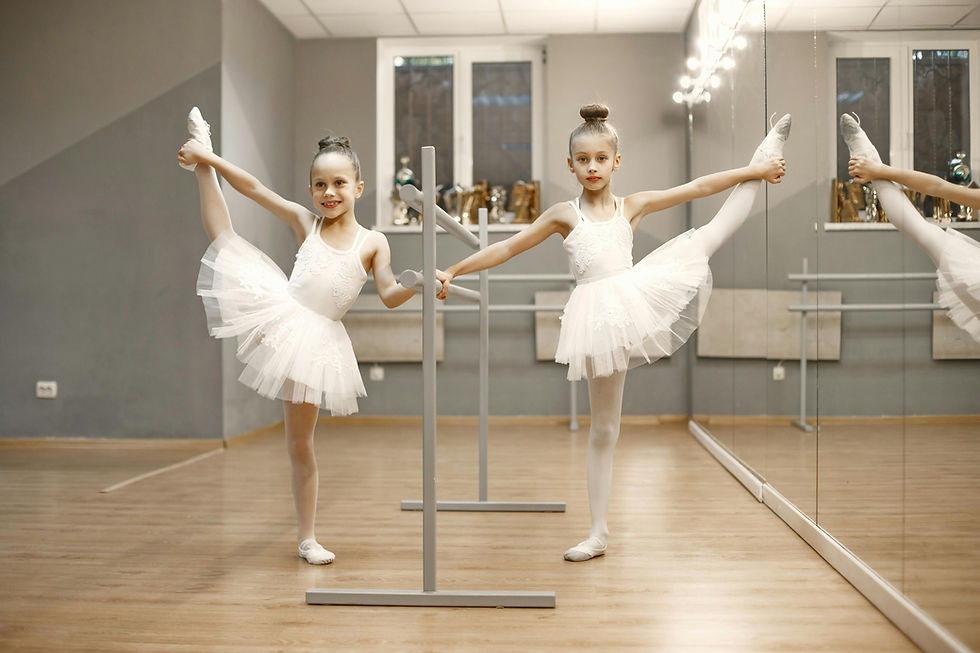
Choosing the Right Training Path
The foundation of any dance career lies in training. But not all training paths are the same, and selecting the right one can shape your future.
Find a style that fits your passion and strengths. Ballet, contemporary, jazz, hip-hop, or cultural dance forms each have unique demands and opportunities.
Seek quality instruction. Look for schools or mentors with strong reputations and connections in the dance world.
Balance technique with artistry. Technical skills open doors, but expressive performance keeps you memorable.
Consider cross-training. Pilates, yoga, or strength training can improve your body’s resilience and prevent injury.
Stay open to learning. Dance evolves, and so should your skills.
Many dancers find that attending summer intensives or workshops with professional companies provides valuable exposure and networking. For example, a teen dancer attending a renowned ballet intensive may gain insight into company life and audition expectations.
Navigating Auditions and Facing Rejection
Auditions are a constant in a dancer’s life. They can be intimidating and often come with rejection. Understanding how to approach auditions and handle setbacks is crucial.
Prepare thoroughly. Know the choreography style, practice the required techniques, and arrive rested.
Present yourself professionally. Wear appropriate attire, bring necessary materials (resume, headshots), and be punctual.
Focus on what you can control. Your effort, attitude, and energy matter more than the outcome.
Learn from each experience. Ask for feedback when possible and use it to improve.
Build resilience. Rejection is common. Even top dancers face it regularly.
For example, a pre-professional dancer might attend multiple auditions for a summer company and face rejection several times. Instead of giving up, they use each experience to refine their skills and presentation, eventually landing a spot that fits their goals.
Recognizing Meaningful Opportunities
Not every opportunity will lead directly to a dream job, but some experiences can build your career in unexpected ways.
Perform in diverse settings. Community shows, festivals, or collaborations can expand your network and stage experience.
Take on teaching or assisting roles. Sharing your knowledge can deepen your understanding and provide income.
Engage with dance organizations. Memberships or volunteering can connect you with industry professionals.
Stay informed about scholarships and grants. Financial support can make advanced training or projects possible.
Be open to related fields. Choreography, dance therapy, or arts administration can complement your career.
A dancer who accepts a role in a local theater production might discover new skills and contacts that lead to further opportunities beyond performing.

Staying Motivated and Prepared
The dance career path is long and often uncertain. Maintaining motivation and readiness is essential.
Set clear, realistic goals. Break down long-term dreams into achievable steps.
Create a daily routine. Consistency in practice, conditioning, and rest supports progress.
Build a support system. Surround yourself with mentors, peers, and loved ones who encourage you.
Take care of your mental health. Mindfulness, counseling, or hobbies outside dance can reduce stress.
Celebrate small victories. Recognize improvements and milestones to keep your spirits high.
For example, a teen dancer might keep a journal tracking daily practice and feelings, helping them stay focused and aware of their growth.

Understanding Professional Expectations
Professional dance companies and projects have clear expectations that go beyond dance skills.
Punctuality and professionalism. Being on time and prepared shows respect.
Physical and mental endurance. Rehearsals and performances can be demanding.
Teamwork and communication. Collaborating with choreographers, dancers, and crew is essential.
Adaptability. Styles, roles, and schedules can change quickly.
Continuous learning. Even professionals keep training and improving.
Knowing these expectations helps dancers approach their goals with clarity and confidence.
By Yeni Guardado


Comments