.png)
The Importance of Exploring Different Dance Styles for Artistic Growth

Every dance style tells a unique story, carries its own technique, and challenges dancers in different ways. From the disciplined precision of ballet to the expressive freedom of hip-hop, understanding the foundations of various dance forms helps dancers become more versatile and confident performers. Exploring multiple styles not only strengthens technical skills but also deepens artistic expression and personal identity.

Ballet: Building a Strong Foundation
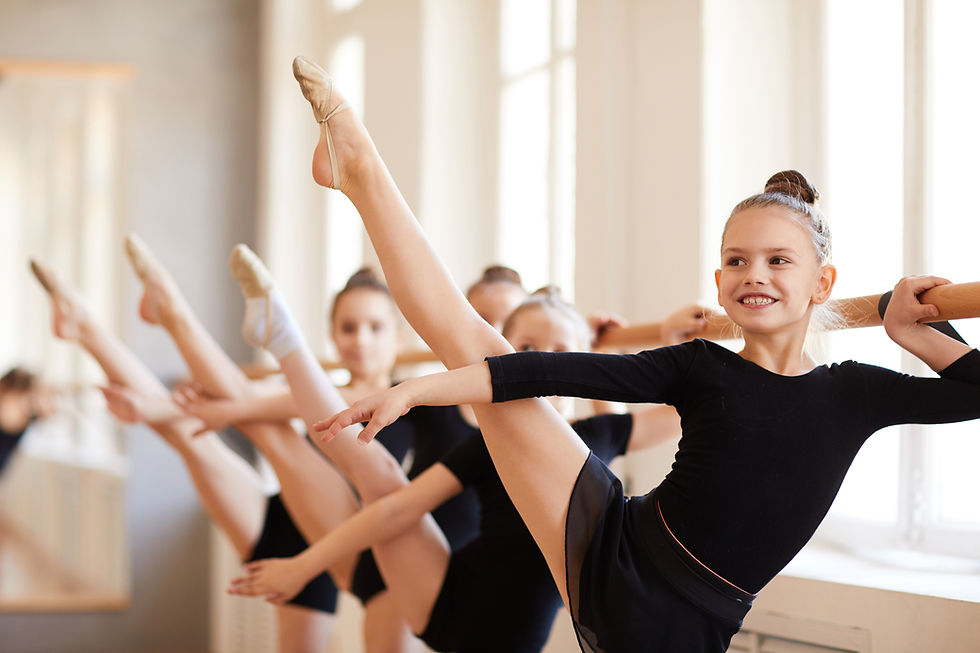
Ballet is often considered the backbone of many dance styles. It emphasizes posture, balance, control, and precise technique. These elements create a solid foundation that dancers can carry into other forms. Ballet training develops muscle strength and flexibility while teaching discipline and focus.
For example, the turnout position in ballet improves hip mobility, which benefits dancers in jazz and contemporary styles. The control gained from ballet also helps dancers execute complex movements with grace and stability. Many professional dancers credit their ballet background for their technical confidence and injury prevention.
Jazz: Adding Energy and Musicality
Jazz dance brings a dynamic energy to the stage. It focuses on sharp execution, rhythm, and performance quality. Jazz encourages dancers to connect with music through syncopated movements and expressive gestures.
Unlike ballet’s strict formality, jazz allows more freedom in style and personality. This style challenges dancers to be both precise and playful. For instance, jazz routines often include quick footwork, isolations, and turns that require strong coordination and timing.
Jazz also teaches dancers how to engage an audience, making it a valuable skill for performers who want to bring charisma and flair to their dancing.

Contemporary: Connecting Emotion and Movement
Contemporary dance blends storytelling, emotion, and fluidity. It encourages dancers to explore movement beyond rigid technique and express deeper feelings through their bodies. This style often combines elements from ballet, jazz, and modern dance.
Contemporary challenges dancers to listen to their bodies and improvise, fostering creativity and self-awareness. For example, a contemporary piece might use slow, flowing movements to convey vulnerability or sharp, sudden gestures to express tension.
This style helps dancers develop versatility by teaching them how to adapt their technique to different moods and themes. It also strengthens their ability to communicate stories without words, making performances more impactful.
Hip-Hop: Embracing Individuality and Rhythm
Hip-hop dance introduces a powerful mix of rhythm, creativity, and personal style. It emphasizes individuality and self-expression through bold, energetic choreography. Hip-hop dancers often use isolations, popping, locking, and freestyle movements to showcase their unique flair.
This style challenges dancers to stay in sync with complex beats while adding their own personality. For example, a hip-hop routine might combine fast footwork with smooth body waves, requiring both precision and fluidity.
Hip-hop also builds confidence by encouraging dancers to own their movements and connect with the music on a personal level. It’s a style that celebrates diversity and innovation, making it a vital part of a well-rounded dance education.

How Exploring Multiple Styles Benefits Dancers
Learning different dance styles offers several key benefits:
Technical growth
Each style develops specific skills that complement one another. Ballet improves balance and control, jazz enhances rhythm and sharpness, contemporary builds fluidity and emotion, and hip-hop boosts creativity and individuality.
Adaptability
Exposure to various techniques helps dancers adjust quickly to new choreography and performance demands. This flexibility is essential for auditions, competitions, and professional work.
Artistic identity
Exploring multiple styles allows dancers to discover what resonates with them personally. This process helps shape their unique voice and artistic vision.
Confidence
Mastering different styles builds self-assurance. Dancers learn to trust their bodies and express themselves fully in any setting.
Injury prevention
Cross-training in diverse dance forms balances muscle development and reduces repetitive strain injuries.
Practical Tips for Exploring Dance Styles
Take classes regularly in different styles
Even one class a week in a new style can expand your skills and perspective.
Watch performances and videos
Observing professionals helps understand the nuances and energy of each style.
Practice foundational techniques
Strengthen basics like posture, footwork, and rhythm to improve across styles.
Stay open-minded
Embrace challenges and differences without judgment. Every style has something valuable to teach.
Collaborate with other dancers
Working with peers from different backgrounds encourages creative exchange and growth.
Exploring dance styles is a journey that enriches both the body and the soul. It opens doors to new experiences and deeper artistic expression.
by Yeni Guardado


Comments