
How to Bring Choreography to Life Through Storytelling and Emotion

A dancer can hit every count and still leave the audience untouched. Clean technique matters, but movement becomes memorable when it carries meaning. The difference often comes down to how well the dancer understands the story behind the choreography.
Every routine has a pulse beneath the steps. It may be a clear plot, a mood, a memory, a conflict, or a single emotional idea. When dancers connect to that inner world, the choreography stops looking like a sequence and starts feeling like a message.
Bringing choreography to life is not about acting over the movement. It is about letting purpose shape the body, the face, the timing, and the space between steps.
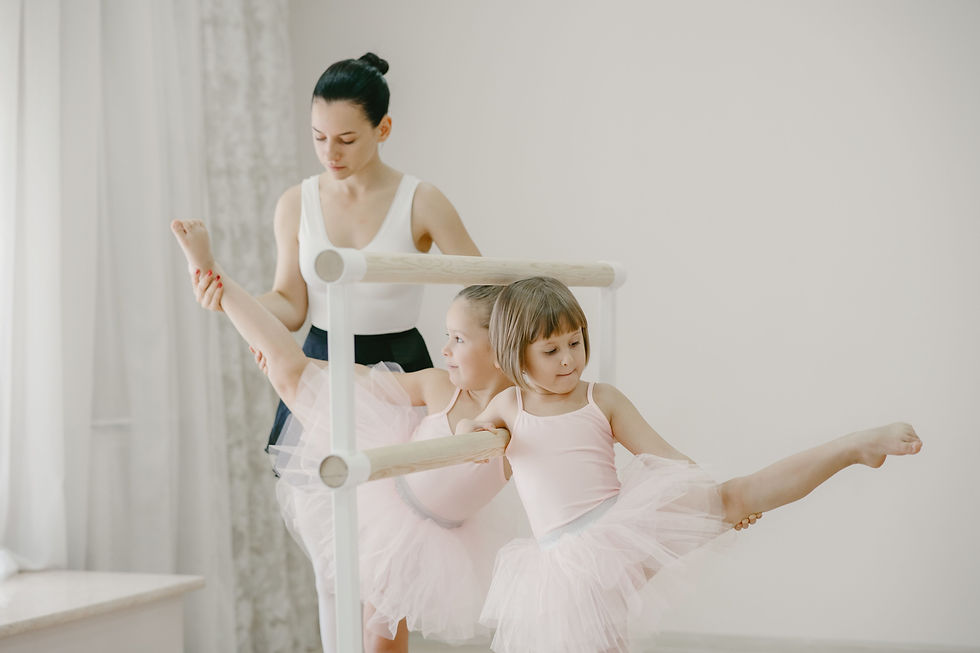
Start by understanding the choreographer’s vision
Before a dancer can express a piece fully, they need to understand what the choreographer is trying to say. That vision may be specific, such as a story about loss, courage, celebration, or change. It may also be abstract, such as tension, freedom, stillness, or joy.
The goal is to ask better questions, not just learn more counts.
A dancer might ask:
What is the central theme of the piece?
Is there a character, relationship, or emotional arc?
Where does the energy shift?
Which moments should feel restrained, explosive, heavy, or light?
What should the audience feel by the end?
These questions give the movement direction. A reach is no longer just an arm line. It may become a longing for someone, a refusal to give up, or an attempt to escape. A turn is not just rotation. It can show confusion, release, or discovery.
When rehearsing, dancers should listen closely to the words a choreographer uses. If they say “pull away,” “collapse,” “search,” or “resist,” those verbs hold clues. Write them down. Let them guide the texture of the movement.
Steps tell the body where to go. Intention tells the audience why it matters.
Build an emotional map of the routine
Emotion in dance needs shape. If a dancer performs every section with the same level of intensity, the audience has nowhere to travel. A strong performance grows, shifts, and breathes.
One practical way to build that shape is to create an emotional map. Break the routine into sections and name the feeling of each part. Keep the labels simple. For example:
Section | Emotional focus | Movement quality |
Opening | Uncertainty | Small, held, cautious |
First build | Hope | Reaching, lifted, open |
Peak | Frustration | Sharp, grounded, direct |
Ending | Acceptance | Soft, steady, released |
This map helps dancers avoid flat performance. It also makes choices clearer. If the opening is uncertain, the eyes may stay low, the breath may feel contained, and the movement may look careful. If the peak is frustration, the dancer may use stronger weight, faster focus changes, and sharper stops.
The emotional map should not become rigid. It is a guide, not a cage. The best performances still feel alive in the moment. But having a clear arc helps dancers give the piece depth from beginning to end.
Use the face, focus, and breath with care
Storytelling in dance does not only come from big gestures. Small choices often carry the strongest meaning.
The eyes can lead the audience through the story. Looking toward another dancer can show connection or conflict. Looking away can show fear, rejection, or independence. Looking out toward the audience can invite them into the experience.
Facial expression should match the world of the piece. A forced smile or exaggerated pain can pull the audience out of the moment. The face works best when it grows from real intention. If the dancer understands what they want in the scene, the expression becomes more natural.
Breath also changes how choreography feels. A held breath can create suspense. A sudden exhale can show release. Slow breathing can soften the movement, while quick breath can add urgency.
Try rehearsing a phrase three ways:
With no planned focus or breath
With clear eye direction only
With both focus and breath connected to emotion
The difference is usually immediate. The phrase becomes easier to read, and the movement gains purpose.

Turn technique into expression
Technique gives dancers control. Storytelling gives that control meaning. The two work together.
A high extension can show strength, but the way it begins and ends tells the story. Does the leg slice through the air with anger? Does it unfold slowly with tenderness? Does it suspend as if the dancer is afraid to come down?
The same is true for turns, jumps, floorwork, and stillness. A technically strong dancer asks what each skill is doing inside the piece.
Consider a simple walk across the stage. It can read many ways:
A slow, grounded walk with low focus
A quick walk with lifted chest
A backward walk with searching eyes
Grief, exhaustion, or hesitation
Confidence, excitement, or urgency
Fear, memory, or resistance
The steps may look simple on paper, but intention changes everything.
Musicality also plays a major role. Dancers do not always have to sit exactly on top of the beat. Sometimes moving slightly before the music can create anticipation. Waiting a fraction longer can create tension. Melting through a note can show vulnerability. Striking a beat can show decision.
These choices should support the choreographer’s vision. When done well, they do not distract from the choreography. They reveal it.
Rehearse the story, not just the sequence
Many dancers practice by repeating steps until they feel automatic. That is necessary, but it is not enough. Once the body knows the choreography, rehearsal should shift toward performance quality.
Run the piece with a different focus each time. One run can focus on breath. Another can focus on eye line. Another can focus on emotional transitions. This keeps the dancer from simply “marking through” the story.
It also helps to speak or write the internal monologue of the piece. The dancer does not need to say it on stage, but knowing it can sharpen the performance. For example, during a solo, the internal thought might move from “I am trying to hold on” to “I cannot carry this anymore” to “I am ready to let go.”
That inner script gives each section a reason.
Video can also help, as long as it is used wisely. Instead of watching only for technique, look for clarity. Can the emotional arc be seen without explanation? Do the transitions make sense? Are there moments where the face, focus, or energy drops?
Strong storytelling often comes from small adjustments made over time.
Leave the audience with something to feel
A lasting performance does not require a complicated plot. It requires honesty, clarity, and commitment. When dancers understand the theme, connect to the emotion, and respect the choreographer’s vision, the audience can feel the difference.
The most powerful performers do more than complete choreography. They make choices. They listen to the music, respond to the space, and let every movement carry a reason.
That is how dance becomes more than steps. It becomes a shared experience, one the audience can remember after the final pose fades.
By Yeni Guardado


Comments