
Why Community Engagement Is Your Dance Studio’s Best Marketing Strategy

A family can find a dance class with one quick search. Choosing a studio to trust with their child, their schedule, and their budget takes something deeper.
That trust often starts long before a parent fills out a registration form. It starts when they see your dancers perform at a school event, hear another parent mention your studio at a fundraiser, or notice your team showing up for the community in a consistent, genuine way.
Paid advertising can help people notice your studio. Community engagement helps people believe in it. For dance studios, that belief can become one of the strongest sources of long-term growth.
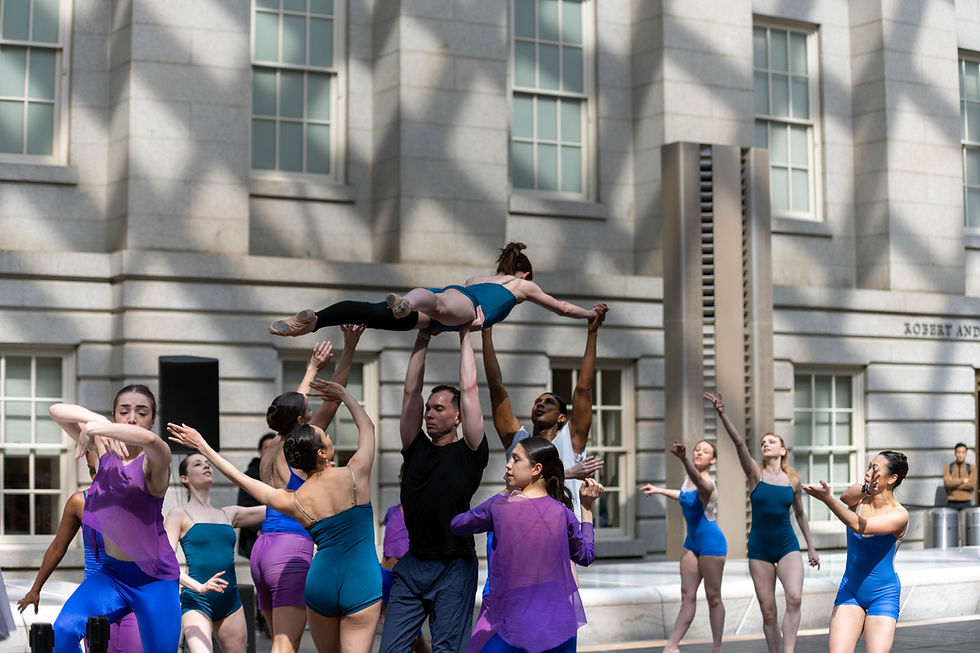
Trust grows when families see your studio in real life
Most parents are not only looking for technique. They are looking for a place where their child will feel safe, encouraged, and seen.
That kind of confidence is hard to create with a single ad. It grows through repeated, positive moments.
A studio that performs at a local festival, volunteers at a community event, or supports a school program becomes more familiar. Families begin to connect the studio with real people, real dancers, and real values.
This matters because dance is personal. Parents want to know who will guide their child. Students want to feel that they belong. Community engagement gives both a chance to experience your studio’s culture outside the classroom.
Simple ways to build that trust include:
Offering short performances at local fairs, parades, and family events
Hosting free intro classes during community celebrations
Supporting school arts nights or talent shows
Inviting local families to low-pressure open house events
Celebrating student involvement beyond competition results
These touchpoints create recognition. Over time, recognition becomes comfort. Comfort often becomes enrollment.
Local relationships can lead to steady referrals
Word of mouth has always mattered in dance. A parent recommendation carries more weight than a polished flyer because it comes with personal experience.
Community engagement gives people more reasons to talk about your studio.
When a local business displays your recital poster, a teacher recommends your summer camp, or a family friend sees your dancers at a charity event, your studio becomes part of everyday conversations. Those conversations can introduce you to families who may not have been actively searching for dance classes yet.

Strong referral sources can come from many places:
Schools and parent groups
Local children’s boutiques or bookstores
Pediatric therapy centers and family wellness spaces
Community theaters and arts groups
Recreation departments and youth organizations
Other small businesses that serve local families
The goal is not to turn every relationship into a sales pitch. The goal is to be useful, visible, and easy to recommend.
For example, a studio might partner with a local bookstore for a movement and storytime morning. A children’s clothing shop might host a recital hair accessory day. A community theater might share audition resources with older dancers. None of these moments need to feel forced. They work best when they serve families first.
That is why community engagement is such a strong fit for dance studio marketing. It builds awareness through real connection, not noise.
Community involvement shows what your studio stands for
Every studio has a culture, whether it is clearly defined or not. Families notice how teachers speak to students, how older dancers treat younger ones, and how the studio responds to the world around it.
Community engagement turns those values into action.
A studio that supports a school fundraiser shows generosity. A studio that performs at a senior center shows care. A studio that creates scholarship opportunities shows commitment to access. A studio that celebrates dancers of different ages, backgrounds, and skill levels shows that belonging is part of its mission.
These choices help families understand the kind of environment they are joining.
They also help your current dancers feel proud. Students often gain confidence when they use dance to bring joy to others. Performing outside the competition or recital setting can remind them that dance is not only about scores, levels, or placement. It is also about connection.
At ORO Dance Competition, we believe studios thrive when they become active, positive parts of the communities they serve. Competitions, classes, and performances all matter. So do the relationships built around them.
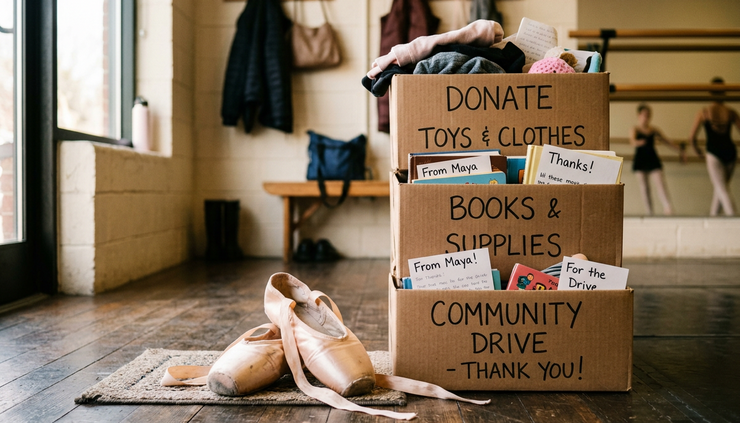
Visibility becomes stronger when it feels genuine
Families can tell when a studio is showing up only to promote itself. They can also tell when a studio genuinely cares about being part of the neighborhood.
The difference is intention.
A strong community plan does not have to be complicated. Start with a few commitments that match your studio’s size, schedule, and values. Consistency matters more than doing everything at once.
Try building around three simple questions.
Where are local families already gathering?
Think school events, seasonal festivals, library programs, recreation centers, and youth sports days.
What can your studio offer that feels helpful or joyful?
A short performance, a free mini class, a movement activity, or volunteers for setup can all make a difference.
Which relationships can grow over time?
One meaningful school partnership may be more valuable than ten one-time appearances.
A practical yearly rhythm could look like this:
Spring
Summer
Fall
Winter
Support school arts events and invite families to observe classes
Offer pop-up movement sessions at local family events
Join festivals, parades, and back-to-school programs
Host a giving project or perform for community groups
This gives your studio a steady presence without overwhelming your team.
Enrollment grows when families feel connected before they register
A strong community presence makes the first step easier for new families.
Instead of arriving as strangers, they may already know your teachers’ names. They may have watched your dancers perform. They may have heard another parent speak warmly about your studio. That familiarity lowers the barrier to trying a class.
It also supports retention. Families who feel connected to the larger studio community are more likely to stay involved, attend events, volunteer, and invite friends.
That long-term value is what makes community engagement so powerful. It does not disappear when an ad campaign ends. It builds over time through relationships, memories, and shared pride.
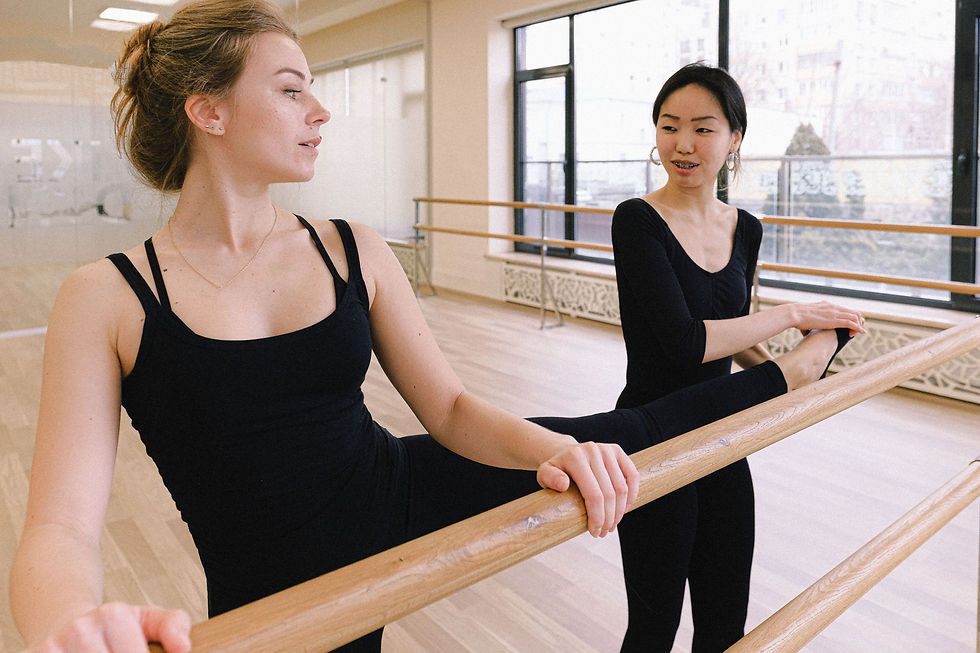
Build with the community, not just for it
The strongest dance studios do more than fill classes. They create spaces where families feel welcome, students feel inspired, and the surrounding community feels included.
Community engagement is not a quick fix. It is a long-term choice to show up, serve well, and build relationships with care. Over time, those relationships can help attract new families, increase referrals, strengthen loyalty, and shape a studio reputation that paid advertising alone cannot create.
When a studio grows alongside its community, enrollment becomes more than a number. It becomes a reflection of trust.
By Yeni Guardado

Comments