.png)
Creating Performance Opportunities Beyond Competition for Dance Studios

Competition can be exciting, motivating, and memorable. But if competition is the only time dancers perform, they miss many chances to grow. Real artistry develops when dancers learn to connect with different audiences, adjust to new spaces, and bring purpose to their work beyond a score sheet.
For dance studios, performance opportunities outside the competitive circuit can build stronger dancers and a stronger studio culture. Community events, informal showcases, outreach programs, and professional-style experiences give students room to practice confidence, teamwork, adaptability, and presence.
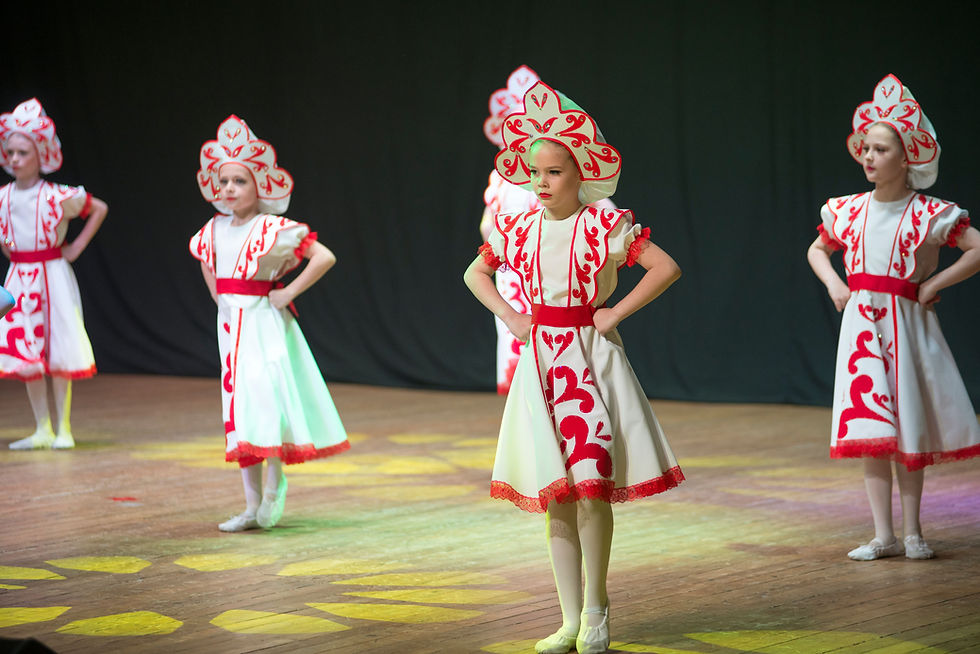
Community events help dancers understand who they are performing for
A competition stage can feel controlled. The lighting, floor, schedule, and audience expectations are familiar. A community event is different. Dancers may perform at a school fair, local arts festival, senior center, charity event, holiday celebration, or town gathering.
These events teach dancers to stay present even when the setting is imperfect. They may need to adjust spacing, project energy outdoors, handle a small audience, or perform without dramatic stage lighting. That kind of experience matters.
Community performances also help dancers see that their art has value beyond placement or awards. A short tap piece at a retirement home, a jazz routine at a local fundraiser, or a ballet excerpt at a library arts day can create a meaningful connection.
Studios can start small by building relationships with:
Local parks and recreation departments
Schools and parent organizations
Libraries and cultural centers
Senior living communities
Nonprofit fundraisers
Seasonal town events
The goal is not to fill every weekend. The goal is to choose events that match the dancers’ age, level, and readiness. A polished two-minute piece performed with care is often more effective than a packed program in the wrong setting.
Studio showcases can offer freedom that competitions do not
A studio showcase gives teachers more creative control than a competition routine often allows. There is no need to fit a judging rubric, category length, or trend. That opens the door to storytelling, student choreography, mixed-age pieces, improvisation, and works in progress.
Showcases can take many forms. A winter performance, black box studio night, choreography lab, parent observation evening, or end-of-session showing can all give dancers stage time. Not every showcase needs full costumes and theater rental. Some of the most valuable performances happen in simple spaces with clear expectations.
A strong showcase can include:
Finished routines from regular classes
Student-created choreography
Improvisation prompts
Faculty pieces
Alumni guest performances
Short explanations of the creative process
This format helps dancers learn that performance is not only about perfection. It is also about communication, growth, and risk-taking.

Outreach programs give performance a deeper purpose
Outreach can turn performance into service. When dancers share work with people who may not have easy access to the arts, they learn empathy, flexibility, and responsibility.
An outreach program does not need to be large to be meaningful. A studio might bring a short performance to an assisted living facility, offer a movement demonstration at an elementary school, or create a dance-and-discussion visit for a local youth program.
These experiences work best when teachers prepare dancers properly. Talk about the audience, the setting, and the purpose of the visit. Explain how to enter the space respectfully, introduce the piece, and respond if the audience reacts in unexpected ways.
For younger dancers, outreach can be simple:
Perform one cheerful routine
Teach a short follow-along movement phrase
Answer basic questions about dance
Thank the audience before leaving
For older dancers, outreach can include more responsibility. They can help lead warmups, explain choreography choices, or assist younger students. That leadership experience is often as valuable as the performance itself.
Outreach also builds a healthier studio culture. It reminds dancers that technique is not separate from character. How they treat an audience, support each other, and represent their studio is part of their training.
Professional-style experiences prepare dancers for the real world
Not every student wants a dance career, but every dancer benefits from professional habits. Performance opportunities beyond competition can help students learn how real productions work.
Professional-style experiences might include a theater rental, collaboration with local musicians, participation in a community arts series, or a performance at a public venue. Older students may also benefit from mock auditions, repertory projects, or guest choreographer residencies.
The structure matters. Dancers should learn how to:
Arrive prepared and on time
Warm up independently
Review spacing quickly
Manage costume and hair requirements
Listen to stage managers or event organizers
Recover calmly from mistakes
These habits build maturity. They also give students a clearer picture of what performance work demands. A dancer who can adjust to a new floor, take feedback quickly, and stay calm backstage has learned something that no trophy can measure.
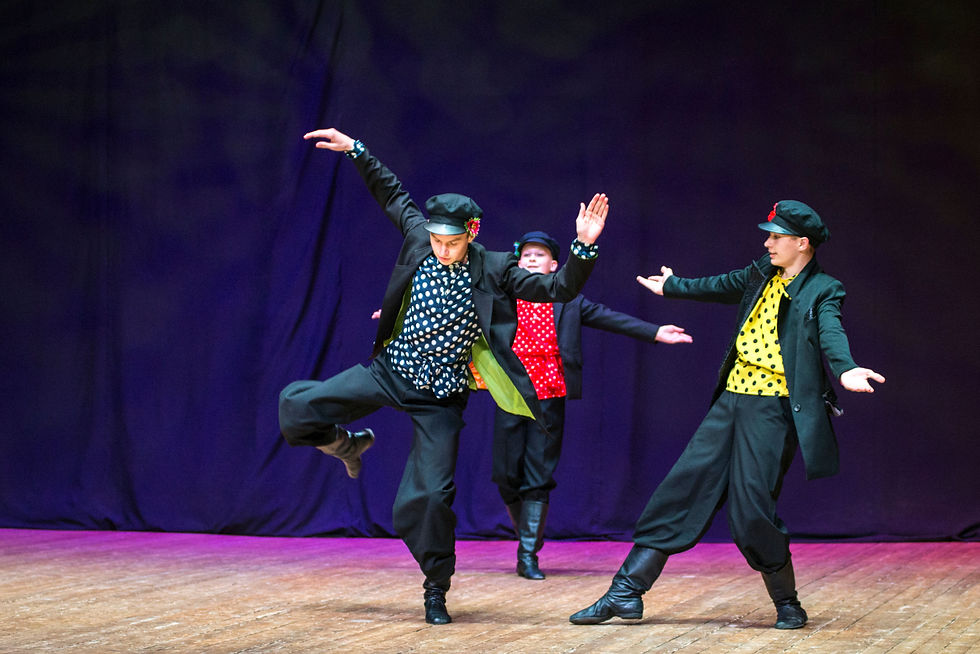
Plan opportunities with purpose and balance
More performances are not always better. Dancers need rest, class time, rehearsal time, and space to be students. The best performance calendar has variety, not overload.
Before adding an event, studio leaders can ask a few simple questions:
Does this opportunity support the dancers’ growth?
Is the setting safe and appropriate?
Are expectations clear for families?
Will dancers have enough rehearsal time?
Does the event reflect the studio’s values?
Can the performance be done well without exhausting students?
It helps to create a yearly mix. A studio might plan one community event in the fall, a winter showcase, an outreach visit in the spring, and a larger theater performance near the end of the season. Competition teams can still compete, but competition no longer carries the full weight of performance training.
Communication also matters. Families should understand call times, dress expectations, transportation needs, and the purpose of each event. When parents know why an opportunity matters, they are more likely to support it.

Performance growth happens in many places
Creating performance opportunities beyond competition for dance studios gives dancers a fuller education. They learn to serve a community, adapt to real spaces, communicate with different audiences, and take pride in the process.
Competition can still have a place. But when dancers also perform at showcases, outreach events, community programs, and professional-style settings, they gain confidence that lasts longer than one season.
A strong dancer is not only someone who can perform under pressure. A strong dancer can connect, adjust, collaborate, and bring meaning to the stage, wherever that stage happens to be.
By Yeni Guardado


Comments