.png)
The Power of Small Details in Boosting a Dancer’s Confidence and Presence

Confidence is often seen as something grand, a shining moment on stage or a flawless performance. Yet, the real foundation of a dancer’s presence lies in the small details that shape how they carry themselves every day. These subtle elements—posture, preparation, presentation, and personal style—build a quiet strength that influences not only how dancers feel but also how they are perceived by others. This post explores how these small habits and intentional choices create a powerful presence that stands out both on and off the stage.

How Posture Shapes Confidence
Posture is one of the most visible signs of confidence. A dancer who stands tall with an open chest and aligned spine immediately appears more self-assured. This is not just about looking good; good posture supports breathing, balance, and movement quality, all essential for dance.
Daily posture checks help reinforce muscle memory. Taking a moment each day to stand or sit with awareness trains the body to hold itself confidently without effort.
Alignment exercises such as Pilates or yoga improve core strength, which supports better posture.
When dancers maintain strong posture offstage, it sends a message of readiness and control, which can positively affect how others respond to them.
For example, a ballet dancer who practices standing tall even while waiting backstage will feel steadier and more prepared when it’s time to perform. This small habit builds a foundation for presence that audiences and judges notice.
Preparation Builds Quiet Confidence
Preparation goes beyond rehearsing choreography. It includes mental readiness, physical care, and organizing details that reduce stress.
Mental rehearsal helps dancers visualize success and manage nerves.
Consistent warm-ups prevent injury and signal to the body that it’s time to perform.
Organizing costumes, shoes, and music ahead of time removes distractions and builds calm.
Small rituals, like reviewing notes or breathing exercises before stepping on stage, create a sense of control.
A dancer who prepares thoroughly feels less anxious and more focused. This calm confidence shines through in their movements and interactions. For instance, a contemporary dancer who spends time mentally rehearsing transitions will move with more fluidity and assurance.
Presentation Extends Beyond Technique
Presentation includes how dancers express themselves through facial expressions, eye contact, and energy. These details communicate emotion and intention, making performances memorable.
Eye contact with the audience or camera creates connection and draws viewers in.
Facial expressions that match the mood of the piece add depth.
Energy management means knowing when to be intense and when to soften, which keeps the audience engaged.
These elements are often overlooked in training but can transform a technically perfect routine into a captivating performance. A hip-hop dancer who uses confident eye contact and expressive gestures will command attention even in a crowded competition.
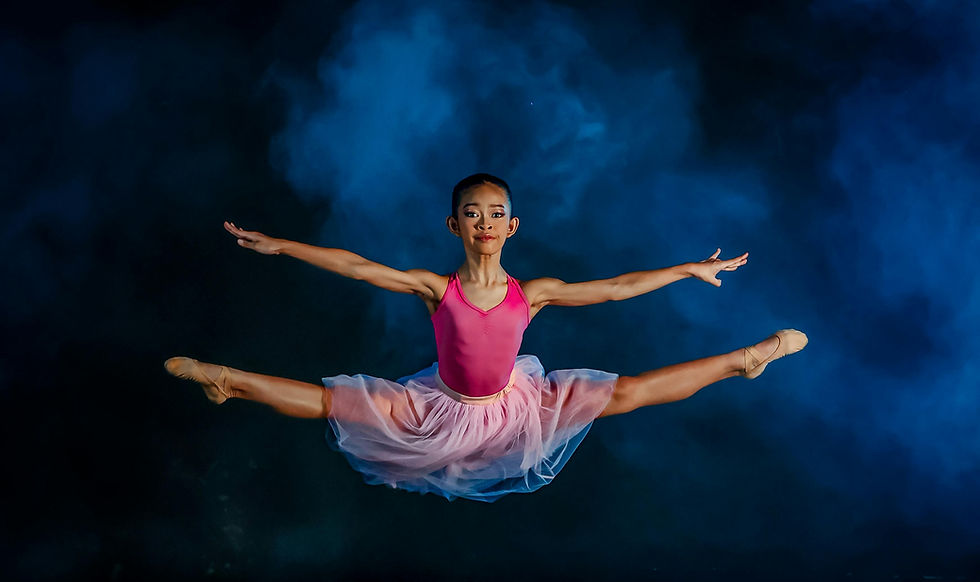
Personal Style Reinforces Identity and Confidence
Personal style is more than costume choice; it reflects a dancer’s identity and values. When dancers express themselves authentically, they feel more confident.
Minimalist wardrobe choices that focus on comfort and fit help dancers feel secure and free to move.
Signature accessories or hairstyles can become a source of pride and recognition.
Consistent self-care routines like skin care or stretching support well-being and self-respect.
For example, a dancer who chooses simple, well-fitting practice clothes that suit their body type will feel less distracted and more confident during rehearsals. This confidence carries over to performances and auditions.
Small Habits That Make a Lasting Impact
Building confidence through small details requires consistency. Here are practical habits dancers can adopt:
Daily posture checks in front of a mirror or using a posture app.
Mental warm-ups such as visualization or positive affirmations.
Organizing gear the night before rehearsals or shows.
Practicing facial expressions and eye contact during rehearsals.
Choosing practice wear that feels good and supports movement.
These habits may seem minor, but over time they create a strong foundation for presence. They reduce anxiety, improve focus, and help dancers feel more in control.

The Quiet Confidence Behind the Spotlight
The moments that make dancers stand out are often not the flashy moves but the quiet confidence built through small, intentional details. This confidence shows in how they hold themselves, how prepared they are, how they present their art, and how they express their unique style.
By focusing on these subtle elements, dancers can build a presence that feels natural and powerful. This presence influences how they perform, how they connect with others, and how they carry themselves beyond the stage.
Every dancer can benefit from paying attention to these small details. They are the building blocks of a lasting, authentic confidence that helps dancers shine in every moment.
By Yeni Guardado


Comments