.png)
Mastering Your Dance Routine at Home: Tips for Effective Practice Outside the Studio

Growth as a dancer does not stop when class ends. The real progress happens in the moments you create on your own, outside the studio. Building a consistent, simple routine at home helps you stay connected to your training, maintain discipline, and improve both your movement and mindset. This post shares practical tips to help dancers develop effective practice habits beyond scheduled classes.

Set Realistic and Clear Goals
Without clear goals, practice can feel aimless. Start by defining what you want to achieve outside the studio. These goals should be specific, measurable, and achievable within your available time.
Skill improvement: Focus on a particular technique, such as turns or flexibility.
Conditioning: Build strength or endurance through targeted exercises.
Choreography: Learn or refine a routine piece by piece.
Mindset: Practice visualization or breathing techniques to enhance focus.
Break larger goals into smaller steps. For example, if you want to improve your pirouettes, dedicate a few minutes each day to balance exercises and spotting drills. This approach keeps practice manageable and rewarding.
Create a Dedicated Practice Space
Having a consistent place to dance encourages regular practice. It does not need to be a large studio; a small corner with enough room to move safely works well.
Clear the area of obstacles and fragile items.
Use a non-slip surface or a dance mat if possible.
Ensure good lighting and ventilation.
Keep a mirror or reflective surface nearby to check your form.
A dedicated space signals your brain that it’s time to focus on dance, making it easier to build a habit.
Develop a Structured Routine
Structure helps maximize the effectiveness of your practice. A typical session might include:
Warm-up (5-10 minutes)
Gentle stretching and mobility exercises to prepare your body.
Technique drills (15-20 minutes)
Focus on specific skills like footwork, turns, or jumps.
Choreography practice (15-20 minutes)
Work on learning or polishing dance sequences.
Cool down and reflection (5-10 minutes)
Stretch and mentally review what you accomplished.
Adjust the timing based on your schedule. Even 30 minutes of focused practice can lead to noticeable improvement over time.
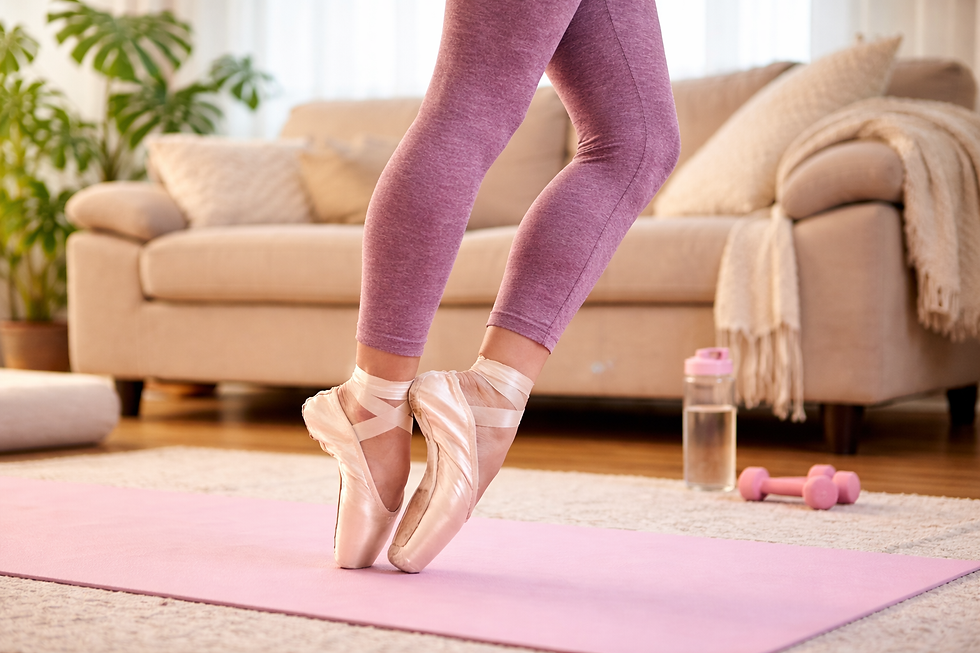
Use Versatile Practice Wear
Comfortable clothing designed for movement supports longer, more effective practice sessions. Choose pieces that allow full range of motion and breathe well.
Stretchy leggings or joggers
Lightweight tops or leotards
Supportive dance shoes or barefoot if appropriate
Investing in versatile practice wear makes it easier to transition from daily life to dance mode. When you feel good in your clothes, you are more motivated to move.
Incorporate Cross-Training and Conditioning
Dance requires strength, flexibility, and endurance. Complement your routine with exercises that build these areas.
Bodyweight exercises like squats, lunges, and planks
Yoga or Pilates for flexibility and core strength
Cardiovascular activities such as jogging or skipping rope
Cross-training reduces injury risk and improves overall performance. Schedule these sessions on alternate days or integrate short bursts into your dance practice.
Use Technology to Support Practice
Technology can enhance your home routine without replacing in-person instruction.
Record yourself to analyze technique and progress.
Follow online tutorials or classes for new ideas.
Use metronomes or music apps to improve timing.
Set limits to avoid distractions. Use technology as a tool to stay focused and motivated.
Stay Consistent and Patient
Progress takes time. Consistency beats intensity. Even short daily sessions add up.
Schedule practice like a class to build routine.
Track your progress in a journal or app.
Celebrate small wins to stay motivated.
If you miss a day, don’t get discouraged. Return to your routine with renewed focus.


Comments