.png)
Life After Competition Season: Reset, Rest, and Rediscover Your Dance Spark

The last awards ceremony ends, the costumes go back in the closet, and the weekend calendar suddenly looks wide open. After months of rehearsals, corrections, travel, nerves, and big goals, the quiet can feel strange.
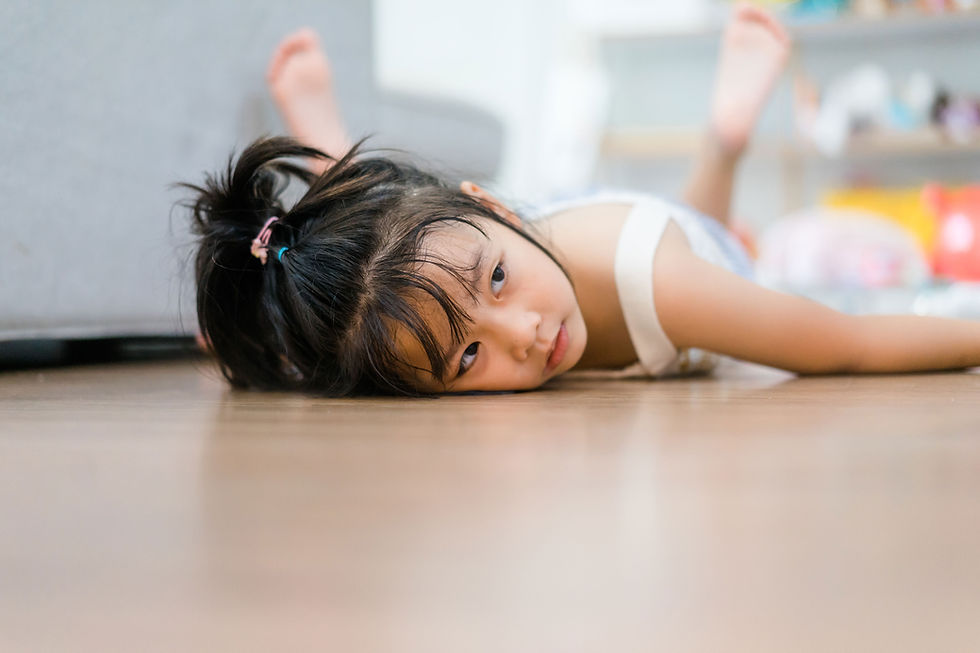
Many dancers expect to feel relieved when competition season ends. Relief may come, but so can sadness, boredom, low motivation, or a weird feeling of “now what?” That shift is normal. Competition season gives dancers structure, purpose, and adrenaline. When it stops, the body and mind need time to come down.
The off-season is not wasted time. It can be a healthy pause that helps dancers recover, reflect, and return with more joy. Rest is part of training, and creativity often grows when there is room to breathe.

Let the season settle before rushing into the next goal
Competition season asks a lot from dancers. There are long rehearsals, repeated routines, corrections, quick changes, early mornings, late nights, and the pressure to perform well on cue. Even when the experience is exciting, it can be draining.
After the season ends, the first step is to let the nervous system slow down. That might mean taking a few days with no full-out dancing. It might mean sleeping in, stretching gently, spending time outside, or enjoying a weekend that does not revolve around hair, makeup, and call times.
This pause can feel uncomfortable for dancers who are used to being busy. Stillness does not mean falling behind. It gives the body time to absorb the work already done.
A simple decompression plan can help:
Take a short break from intense training.
Catch up on sleep.
Spend time with friends or family outside the dance world.
If the body hurts in a sharp, unusual, or lasting way, talk with a parent, teacher, trainer, or medical professional. Pushing through pain during the off-season can turn a small issue into a bigger setback.
Reflect on what the season taught you
Once the emotions settle, reflection can turn the season into real growth. This does not mean only looking at trophies, placements, or judges’ scores. Those are one piece of the experience, not the whole story.
Think about the moments that showed progress. Maybe turns became cleaner. Maybe stage presence felt stronger. Maybe nerves were easier to manage by the final event. Maybe teamwork improved, or corrections started landing faster in rehearsal.
A reflection journal can be useful. Keep it simple and honest.
Try writing about:
One performance that made you proud.
One correction that helped you improve.
One moment that felt hard.
One thing you want to carry into next season.
One thing you want to leave behind.
This kind of reflection helps dancers see growth beyond results. A season can be successful because of stronger technique, better focus, new friendships, or a deeper understanding of artistry.
Life After Competition Season: Reset, Rest, and Rediscover Your Dance Spark is really about learning how to value the full journey, not just the final score.

Give your body a different kind of care
Dancers are used to working hard, but off-season care should feel different from competition prep. The goal is not to keep pushing at the same level. The goal is to rebuild balance.
That may include gentle strength work, mobility, rest days, and cross-training that feels refreshing. Swimming, Pilates, walking, biking, or low-pressure conditioning can help dancers stay active without repeating the same intense patterns from rehearsals.
Nutrition and sleep matter too. Busy competition weekends can throw off normal routines. The off-season is a good time to return to steady habits, especially regular meals and a consistent bedtime.
Mental rest is just as valuable. Dancers often spend a season thinking about corrections, costumes, formations, scores, and schedules. A lighter season gives the mind space to relax.
Healthy mental resets might include:
Listening to music without planning choreography.
Watching a movie or reading for fun.
Taking a full day away from mirrors.
Spending time on hobbies outside dance.
Saying no to extra pressure for a little while.
Taking space can feel risky for dedicated dancers, but it often brings better focus later. A rested dancer can learn faster, move with more control, and connect more deeply to the work.
Stay inspired without competition pressure
Rest does not have to mean disconnecting from dance completely. It can mean changing the way dance fits into daily life.
The off-season is a great time to explore movement without worrying about scores. Try a class in a style that feels new or playful. A ballet dancer might try tap. A jazz dancer might try contemporary. A hip-hop dancer might explore modern or musical theater. New styles challenge the brain and body in fresh ways.
Music can also reignite inspiration. Make a playlist of songs that spark movement. They do not need to become a solo or group routine. Sometimes it is enough to improvise in the living room, freestyle in the studio, or imagine shapes and textures while listening.
Workshops and intensives can help too, as long as they do not turn the off-season into another high-pressure race. Choose experiences that feel exciting, not just impressive. A guest class, community performance, summer program, or choreography session can remind dancers that dance is bigger than competition weekends.

Reconnect with the reason you started
Competition can be motivating, but it can also make dance feel tied to approval. Scores, rankings, and critiques have their place, but they should not be the only source of purpose.
The off-season is a chance to ask a simple question: What makes dancing feel good?
Maybe it is the music. Maybe it is the feeling of flying through a leap. Maybe it is telling a story. Maybe it is being part of a team. Maybe it is the quiet pride of doing something that once felt impossible.
Reconnecting with that reason can protect the joy of dance. It can also help dancers set healthier goals for the next season.
Instead of only choosing outcome-based goals, try process-based ones:
Outcome goal
Process goal
Outcome goal
Process goal
Outcome goal
Process goal
Place higher at competition
Improve control in turns and show stronger performance quality
Get a featured part
Take corrections quickly and build confidence in auditions
Win with a solo
Tell the story more clearly each time the piece is performed
Process goals give dancers something steady to work on. They also make growth easier to see, even when results are unpredictable.

Let the next season begin with space and purpose
The end of competition season can feel like a finish line, but it is also an opening. There is room to rest. There is room to think. There is room to explore new music, new styles, new goals, and new parts of yourself as an artist.
A strong dancer is not only the one who works the hardest every day. A strong dancer learns when to pause, when to listen, and when to return with fresh energy.
So take the break. Celebrate what you did. Let the hard moments teach you without defining you. Move when it feels joyful. Rest when your body asks for it. Stay curious.
The season may be over, but your love for dance can keep growing. Let your spark lead you into what comes next.
By Yeni Guardado


Comments