.png)
How to Create Original Dance Competition Routines That Judges Remember

In the world of dance competitions, it’s easy to get caught up in the latest trends or viral choreography. Yet, routines that truly stand out are those that feel authentic, tell a meaningful story, and reflect the unique qualities of the dancers performing them. Originality leaves a lasting impression because it highlights creativity instead of imitation. This guide will help choreographers, teachers, and dancers craft memorable competition routines by focusing on storytelling, musical interpretation, creative movement, and genuine performance quality. Embracing your studio’s unique artistic voice not only makes routines unforgettable but also builds confidence on and off the stage.

Focus on Storytelling to Connect with Judges and Audience
A dance routine that tells a story creates an emotional connection. Judges remember performances that evoke feelings or share a clear message. Instead of simply showing technical skills, use choreography to express ideas, emotions, or experiences.
Choose a theme or concept that resonates with your dancers. It could be a personal story, a social issue, or an abstract idea.
Build the routine around the narrative. Every movement should support the story, whether it’s joy, struggle, or transformation.
Use facial expressions and body language to enhance the storytelling. Encourage dancers to embody their characters fully.
Keep the story clear but open to interpretation. This allows judges and audiences to connect in their own way.
For example, a routine about overcoming fear might start with tight, constrained movements and gradually open into expansive, confident gestures. This progression tells a story without words.
Interpret Music Creatively to Highlight Originality
Music is the foundation of any dance routine. How you interpret the music can set your choreography apart.
Listen deeply to the music’s mood, rhythm, and lyrics. Find moments that inspire unique movement choices.
Avoid simply dancing on every beat. Instead, play with syncopation, pauses, and accents to create surprise.
Match movement quality to the music’s tone. Soft, flowing music calls for fluid motions, while sharp beats invite staccato steps.
Incorporate musical nuances. Use crescendos, breaks, or instrumental solos to shape the routine’s energy.
For instance, a jazz routine might highlight a sudden brass solo with a sharp, playful movement, while a lyrical piece could use slow, sustained lifts during a quiet vocal passage.
Develop Creative Movement That Reflects Your Studio’s Style
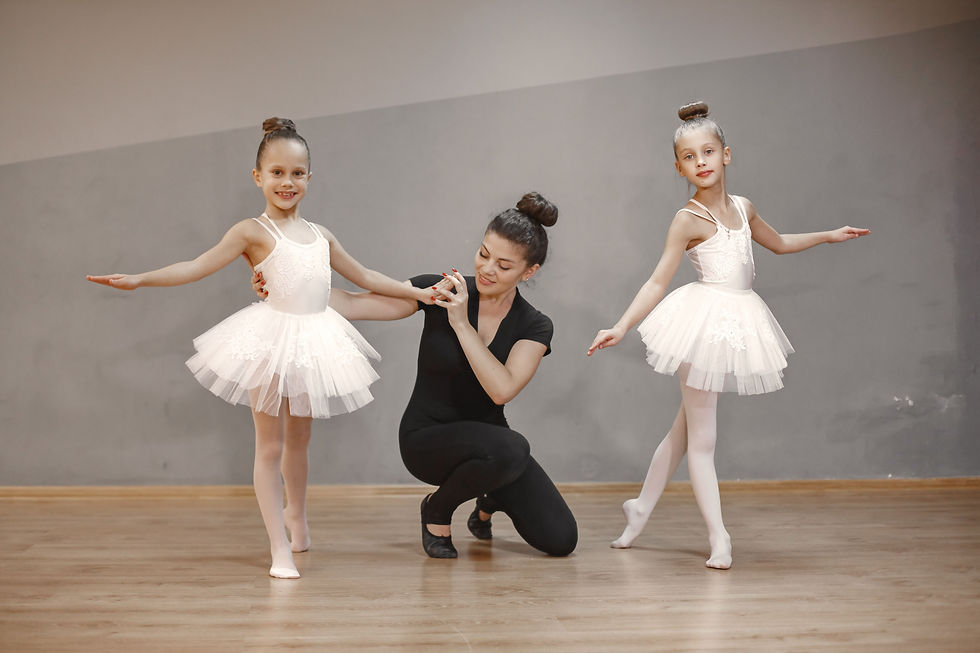
Original choreography comes from exploring new movement ideas that fit your dancers’ strengths and your studio’s identity.
Experiment with movement combinations. Mix styles or invent new steps that feel natural to your dancers.
Use space creatively. Vary formations, levels, and directions to keep the routine visually interesting.
Highlight individual dancers’ talents. Include moments where soloists shine or groups move in harmony.
Avoid copying popular routines or viral dances. Instead, build on your own movement vocabulary.
For example, a studio known for strong contemporary technique might blend fluid floor work with sharp isolations, creating a signature style that judges recognize.
Build Genuine Performance Quality to Engage Judges
Technical skill alone won’t guarantee a memorable routine. Performance quality—the energy, confidence, and connection dancers bring—makes a difference.
Encourage dancers to connect with the music and story emotionally. This creates authenticity.
Practice stage presence. Teach dancers to own the stage with strong eye contact and purposeful movements.
Focus on timing and precision. Clean execution supports the routine’s impact.
Create moments of contrast. Use dynamics like soft versus strong or slow versus fast to keep judges engaged.
A routine performed with passion and confidence will stand out even if it’s not the most technically complex.

Encourage Your Studio’s Unique Artistic Voice
Every studio has its own personality and strengths. Embracing this uniqueness helps create routines that feel original and authentic.
Involve dancers in the creative process. Their input can inspire fresh ideas and build ownership.
Celebrate your studio’s culture. Whether it’s a focus on storytelling, technique, or a particular style, make it your signature.
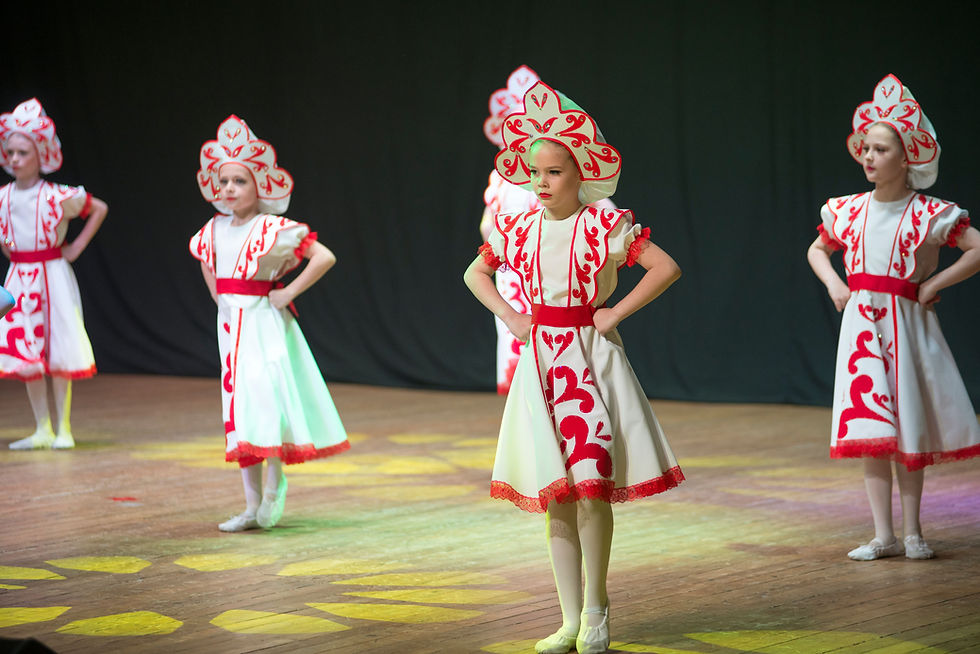
Use costumes and staging to support your vision. Visual elements should enhance the routine’s message.
Keep evolving. Originality grows by trying new things and learning from each performance.
When your routines reflect your studio’s identity, dancers gain confidence and judges remember your work.
By Yeni Guardado

Comments