.png)
The Importance of Clear Studio Communication for a Supportive Dance Community

Clear communication is the backbone of any successful dance studio. When policies and expectations are well defined and shared openly with families, studios create an environment where dancers thrive, parents feel respected, and conflicts rarely arise. This post explores how establishing transparent studio guidelines can prevent misunderstandings and build a positive, supportive community for everyone involved.

Why Clear Studio Policies Matter
Dance studios bring together diverse families, each with different expectations and communication styles. Without clear policies, misunderstandings about attendance, class behavior, or competition commitments can quickly lead to frustration and conflict. Clear communication helps:
Set consistent expectations for students and parents
Reduce confusion about schedules, fees, and requirements
Build trust between studio staff and families
Keep the focus on dancers’ growth and enjoyment
For example, a studio that clearly outlines attendance rules and consequences prevents parents from feeling blindsided when their child misses a class or rehearsal. This clarity encourages accountability and respect.
Key Areas to Address in Studio Policies
To prevent conflicts before they start, studios should develop policies covering essential topics. These policies should be written in simple language and shared early and often.
Attendance and Punctuality
Attendance is critical for dancers’ progress and group cohesion. Policies should specify:
Expected attendance rates for classes and rehearsals
Procedures for reporting absences
Consequences for excessive absences or tardiness
For instance, a policy might state that missing more than three classes in a month requires a meeting with the instructor to discuss progress and commitment.
Class Behavior and Expectations
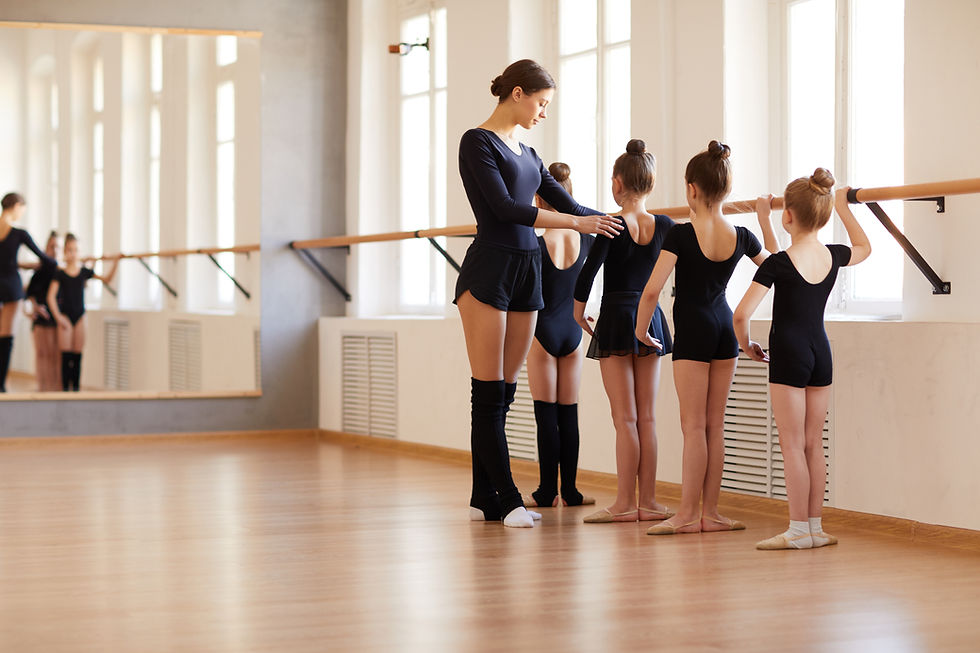
Clear behavioral guidelines help maintain a respectful and focused environment. Policies can include:
Studio etiquette (e.g., no cell phones during class)
Respectful interaction with teachers and peers
Dress code requirements
These rules create a safe space where dancers can concentrate on learning without distractions or disruptions.
Competition and Performance Commitments
Competitions and performances often cause tension if expectations are unclear. Policies should clarify:
Commitment levels required for participation
Financial obligations and deadlines
Rehearsal schedules and attendance requirements
For example, a studio might require a signed agreement from parents confirming their understanding of fees and rehearsal attendance before competition season begins.

How to Communicate Policies Effectively
Having clear policies is only half the battle. Studios must ensure families understand and accept them through effective communication strategies.
Share Policies Early and Often
Distribute policies during enrollment, post them on the studio website, and display them in common areas. Remind families regularly through newsletters or emails, especially before important events.
Use Multiple Formats
Not all families absorb information the same way. Combine written documents with verbal explanations during orientation meetings or parent nights. Consider short videos or FAQs for quick reference.
Encourage Questions and Feedback
Create opportunities for parents to ask questions and provide feedback. This openness builds trust and helps identify areas where policies may need clarification or adjustment.
Train Staff to Communicate Consistently
Ensure all instructors and front desk staff understand the policies and can explain them clearly. Consistent messaging prevents mixed signals that confuse families.
Real-Life Examples of Clear Communication Benefits
Studios that prioritize clear communication often see fewer disputes and stronger community bonds. One studio shared how introducing a detailed competition contract reduced last-minute dropouts by 40%. Another reported that clear attendance policies led to a 25% improvement in class punctuality.
These examples show that investing time in clear communication pays off in smoother operations and happier families.
Building a Culture of Respect and Understanding
Clear policies are tools, but the culture behind them matters most. Studios should foster respect, patience, and understanding among staff, dancers, and families. When everyone knows what to expect and feels heard, the studio becomes a place where dancers can focus on their passion without distractions.
Encourage open dialogue, celebrate progress, and address concerns promptly. This approach strengthens community ties and supports dancers’ long-term success.

Comments