.png)
Supporting New Competitive Dancers: Tips for Their First Season Success

Updated: Feb 28
Starting a first competitive dance season can feel overwhelming for new dancers and their families. The excitement of performing and competing often comes with challenges like managing nerves, learning routines, and balancing practice with other commitments. Supporting new competitive dancers effectively helps them build confidence, develop skills, and enjoy their dance journey. This post offers practical advice for dancers, parents, and coaches to make the first season a positive and successful experience.
Understand the Emotional Journey
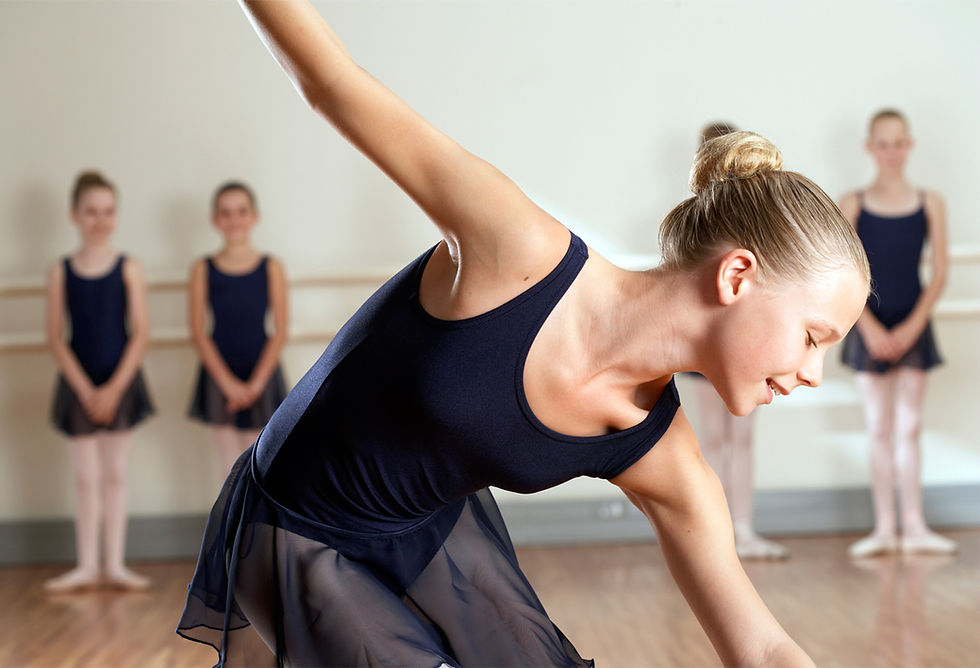
New competitive dancers face a mix of emotions: excitement, anxiety, and sometimes frustration. Recognizing these feelings is the first step in providing support.
Encourage open communication. Let dancers share their feelings about rehearsals, competitions, and performances without judgment.
Normalize nerves. Explain that feeling nervous before a performance is common and can even improve focus.
Celebrate small wins. Praise progress in learning choreography or improving technique, not just competition results.
Parents and coaches should listen actively and offer reassurance. For example, a dancer struggling with a difficult routine might feel discouraged. A coach’s patient guidance and a parent’s positive words can help the dancer stay motivated.
Set Realistic Goals
New dancers often want to excel immediately, but competitive dance is a gradual process.
Focus on personal improvement. Instead of comparing to others, encourage dancers to beat their own best.
Break goals into manageable steps. For example, mastering a single section of choreography before moving on.
Include non-competitive goals. Such as improving flexibility, building stamina, or enhancing stage presence.
Setting realistic goals helps dancers avoid burnout and keeps their enthusiasm alive throughout the season.
Build a Strong Practice Routine
Consistent practice is key to success, but quality matters more than quantity.
Create a balanced schedule. Include time for warm-ups, technique drills, choreography practice, and rest.
Use focused practice sessions. Short, concentrated practice periods often yield better results than long, unfocused ones.
Encourage self-reflection. After practice, dancers can note what went well and what needs more work.
Coaches can provide practice plans tailored to each dancer’s needs. Parents can support by helping maintain a distraction-free environment at home for practice.
Foster a Supportive Community
Competitive dance can be intense, but a positive environment makes a big difference.
Promote teamwork. Encourage dancers to support each other during rehearsals and competitions.
Organize social activities. Group outings or team-building exercises help build friendships.
Involve families. Parents connecting with each other create a network of support and shared experience.
A strong community helps dancers feel less isolated and more motivated to keep improving.
Manage Competition Day Effectively
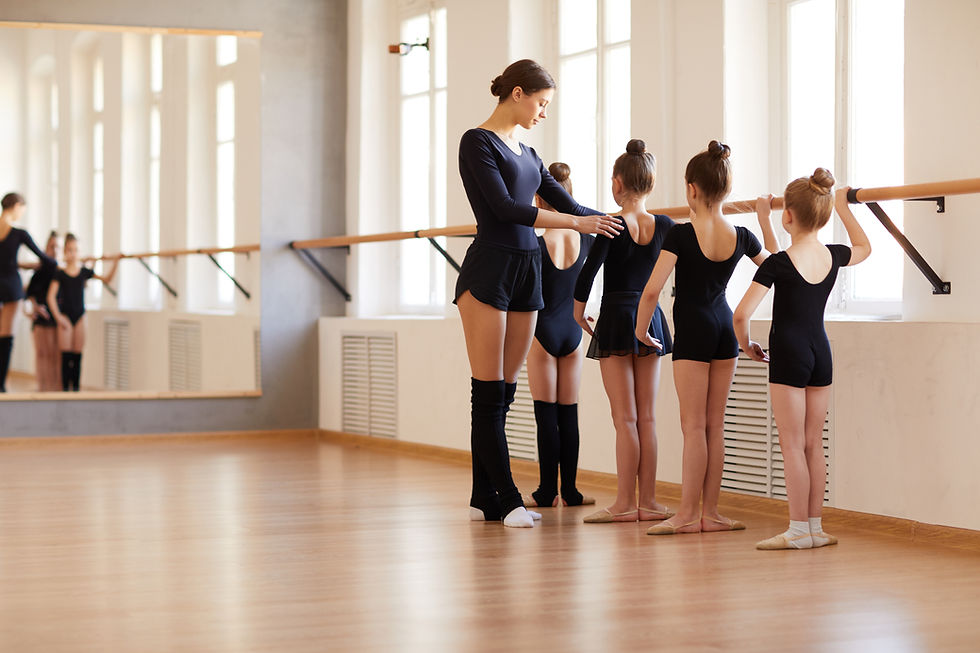
Competition days can be stressful and tiring. Preparation helps dancers perform their best.
Plan logistics early. Know the schedule, location, and required costumes or props.
Pack essentials. Include water, snacks, extra tights, hair supplies, and a first aid kit.
Encourage healthy habits. Remind dancers to eat balanced meals and get enough sleep before competition.
Create a calm pre-performance routine. Breathing exercises or quiet time can reduce anxiety.
Parents and coaches should stay positive and avoid putting pressure on dancers. Focus on effort and enjoyment rather than just scores.
Support Physical and Mental Health
Competitive dance demands physical strength and mental resilience.
Promote injury prevention. Warm-ups, cool-downs, and proper technique reduce the risk of injury.
Encourage rest days. Recovery is essential for muscle repair and overall well-being.
Watch for signs of stress. Fatigue, irritability, or loss of interest may indicate burnout.
Provide access to professional help if needed. Physical therapists, counselors, or sports psychologists can offer valuable support.
Maintaining health ensures dancers can perform at their best throughout the season.
Communicate Clearly and Consistently
Clear communication between dancers, parents, and coaches prevents misunderstandings.
Set expectations early. Discuss attendance, practice commitments, and competition policies.
Use multiple channels. Emails, group chats, and meetings keep everyone informed.
Encourage questions. New dancers and families may need extra guidance navigating the competitive dance world.
Good communication builds trust and helps everyone work together toward success.
Celebrate the Journey
Winning trophies is exciting, but the first season is about growth and experience.
Recognize effort and progress. Highlight improvements in skills and confidence.
Share memories. Photos, videos, and stories create lasting positive associations.
Encourage reflection. Ask dancers what they learned and what they enjoyed most.
This mindset helps dancers develop a lifelong love of dance beyond competition results.


Comments