.png)
Golden Growth: Celebrating Progress, Confidence, and Teamwork Beyond the Awards

Every dancer knows the thrill of winning a trophy or hearing their name called as a champion. Yet, the true heart of dance lies not in the medals but in the journey—the daily improvements, the moments of confidence gained, and the bonds formed with fellow dancers. At ORO, we believe that recognizing these steps forward creates a stronger, more supportive dance community where every dancer feels valued.
This post explores how focusing on growth rather than just awards can transform your studio culture, boost dancer confidence, and build lasting teamwork. By celebrating progress, instructors and directors can inspire dancers to keep pushing themselves and enjoy the art of dance for its own sake.
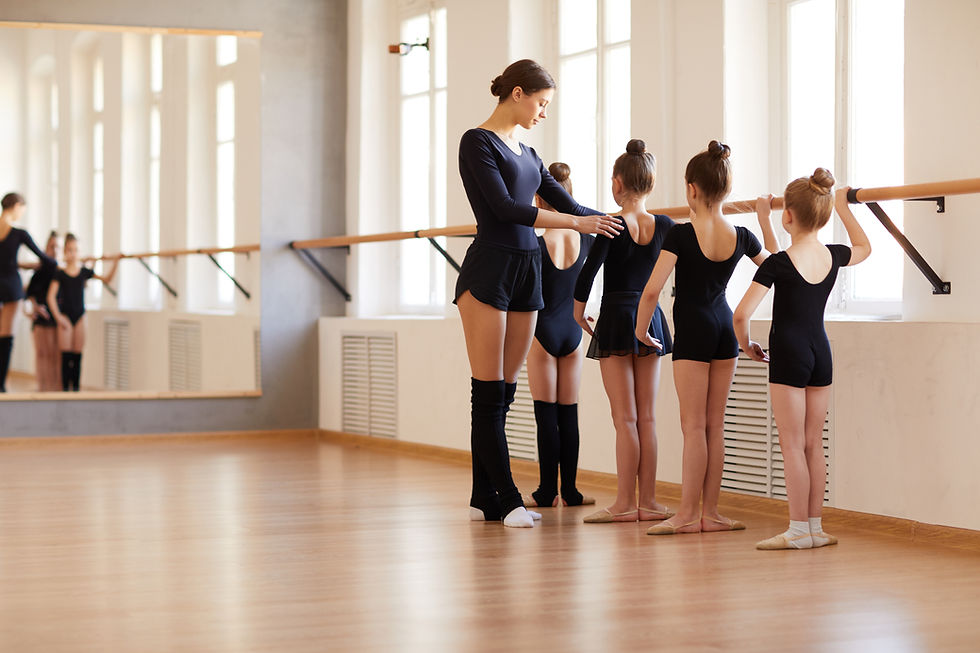
Why Celebrating Progress Matters More Than Awards
Trophies and titles are exciting, but they only tell part of the story. Dance is a skill that develops over time through consistent effort and learning. When studios focus solely on competition results, many dancers feel overlooked if they don’t place. This can lead to frustration, burnout, or even quitting.
Recognizing progress shifts the focus to the process. It encourages dancers to:
Refine their technique step by step
Build confidence by mastering new skills
Elevate performance quality through practice
Learn to work as a team in group routines
When instructors highlight these improvements, dancers feel motivated and supported. They understand that their hard work matters, even if they don’t win every time.
How to Create a Culture That Celebrates Growth
Changing the focus from awards to growth requires intentional actions from studio leadership and instructors. Here are practical ways to build this culture:
1. Set Clear, Individual Goals
Help each dancer set personal goals based on their current skill level. These goals should be specific and achievable, such as improving a particular turn or increasing stamina. Regularly review progress toward these goals during classes or rehearsals.
2. Provide Specific, Positive Feedback
Instead of generic praise like “Good job,” give detailed feedback that points out what improved. For example, “Your arm placement was much cleaner in that combination” or “You showed great control during your leaps.” This helps dancers understand what to keep working on.
3. Celebrate Small Wins Publicly
Recognize improvements during rehearsals, classes, or studio events. This could be a shout-out for mastering a difficult step or showing leadership in a group routine. Public recognition boosts confidence and encourages others to strive for progress.
4. Encourage Peer Support and Teamwork
Create opportunities for dancers to support each other, such as partner exercises or group challenges. When dancers learn to work together and celebrate each other’s growth, the entire studio atmosphere becomes more positive.

Building Confidence Through Recognizing Effort
Confidence is one of the most important qualities a dancer can develop. It affects how they perform on stage and how they approach challenges in class. Celebrating progress helps build this confidence by showing dancers that their efforts lead to real improvement.
For example, a dancer who struggled with balance might receive encouragement after holding a pose longer than before. This small success can boost their belief in their abilities and inspire them to keep practicing.
Instructors can also model confidence by sharing their own experiences with setbacks and growth. This openness creates a safe space where dancers feel comfortable taking risks and learning from mistakes.
Teamwork as a Key to Long-Term Success
Dance is often a team effort, whether in group performances or partner work. When studios emphasize teamwork alongside individual progress, dancers learn valuable skills like communication, trust, and cooperation.
Celebrating teamwork means recognizing moments when dancers help each other improve or work together to solve challenges. For instance, praising a group for synchronizing their movements or supporting a teammate during a tough routine highlights the importance of collaboration.
This approach not only improves performance quality but also strengthens relationships within the studio. Dancers who feel connected to their peers are more likely to stay engaged and enjoy their dance experience.

Practical Tips for Instructors and Directors
To put these ideas into practice, consider these actionable steps:
Create progress charts that track individual improvements over time
Host regular feedback sessions where dancers discuss their goals and achievements
Organize team-building activities outside of dance rehearsals
Use positive language that focuses on effort and growth rather than just results
Invite parents to celebrate progress during recitals or studio events
By embedding these habits into your studio routine, you foster an environment where every dancer feels valued and motivated.
Focusing on progress, confidence, and teamwork transforms the dance experience. When dancers see their growth recognized, they develop stronger skills and a deeper love for dance. Studios that celebrate these qualities create a positive culture where every dancer can thrive, regardless of trophies or titles.

Comments