.png)
Building Exceptional Dance Teaching Teams for Studio Success

Great teachers form the backbone of every thriving dance studio. They do more than teach steps and technique—they shape the culture, experience, and reputation of the entire program. In a competitive dance market, simply hiring instructors is not enough. Studios must lead intentionally, provide ongoing support, and build a strong community to attract and keep talented teachers. When instructors feel valued and motivated, studios grow, and dancers receive the consistent guidance they need to excel.
This post explores practical ways studios can build and sustain outstanding teaching teams. It covers thoughtful hiring, mentorship, fair pay, and professional growth opportunities. By investing in your instructors and fostering a positive environment, you create a team aligned with your vision and ready to inspire dancers.

Hiring with Intention
Finding the right instructors starts with a clear hiring process. Look beyond resumes and certifications. Consider how candidates fit your studio’s culture and values. Ask questions that reveal their teaching style, communication skills, and passion for dance education.
Tips for effective hiring:
Define your studio’s mission and teaching philosophy clearly before recruiting.
Use auditions or trial classes to observe candidates in action.
Check references focusing on reliability, professionalism, and ability to connect with students.
Prioritize candidates who show enthusiasm for ongoing learning and collaboration.
Hiring thoughtfully sets the stage for a team that shares your vision and works well together.
Building a Supportive Mentorship Program
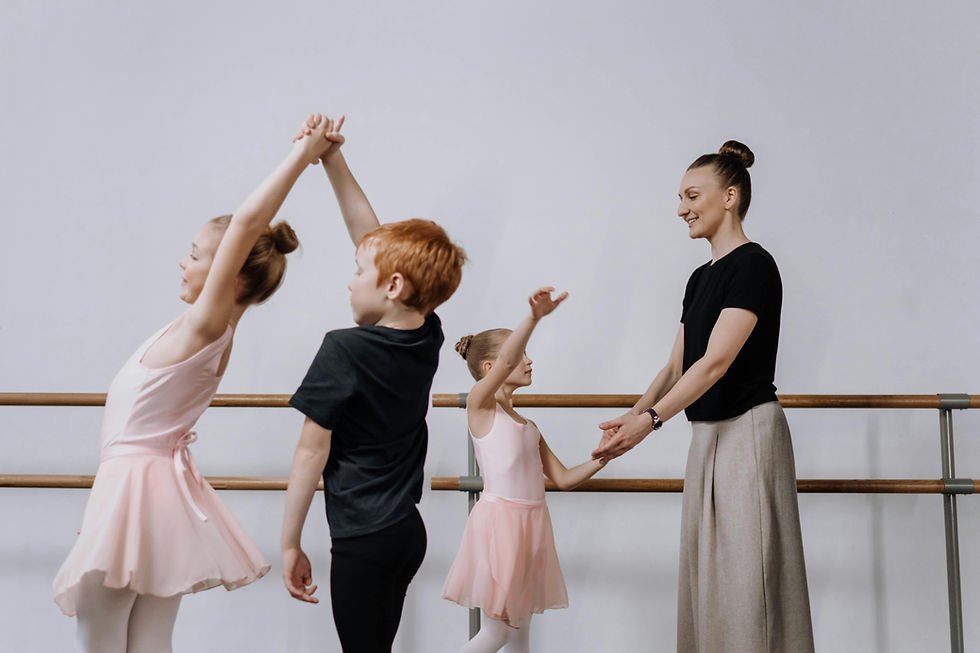
New teachers benefit greatly from mentorship. Pairing less experienced instructors with seasoned mentors helps them grow faster and feel supported. Mentorship encourages sharing of teaching techniques, classroom management strategies, and studio policies.
How to create a mentorship program:
Assign mentors based on teaching style and personality compatibility.
Schedule regular check-ins for feedback and guidance.
Encourage mentors to observe classes and offer constructive advice.
Provide resources like lesson plans or professional development materials.
Mentorship builds confidence and strengthens team bonds, reducing turnover and improving teaching quality.
Offering Fair Compensation and Benefits
Competitive pay is essential to attract and keep skilled instructors. Many studios struggle with budgets, but fair compensation reflects respect for teachers’ time and expertise. Consider not only hourly wages but also benefits that improve job satisfaction.
Ways to offer fair compensation:
Research local market rates for dance instructors.
Provide bonuses or incentives for extra duties like choreography or event planning.
Offer flexible scheduling to accommodate teachers’ other commitments.
Include perks such as free classes, discounts on merchandise, or health benefits if possible.
Fair pay reduces stress and shows instructors they are valued members of the studio community.
Creating Opportunities for Professional Growth
Teachers want to improve their skills and advance their careers. Studios that support professional development keep instructors engaged and inspired. Growth opportunities also raise the overall quality of instruction.
Ideas to support growth:
Host workshops or invite guest teachers for specialized training.
Encourage attendance at dance conferences or certification programs.
Create leadership roles such as assistant director or curriculum coordinator.
Promote collaboration where teachers share new ideas and techniques.
When instructors see a path for growth, they invest more deeply in the studio’s success.

Fostering a Positive and Collaborative Culture
A strong team culture keeps instructors motivated and connected. Encourage open communication, celebrate achievements, and create social opportunities. When teachers feel part of a community, they are more likely to stay long-term.
Ways to build culture:
Hold regular staff meetings to share updates and ideas.
Recognize teachers’ successes publicly, such as student progress or event contributions.
Organize social events outside of class time.
Create a feedback system where instructors can voice concerns and suggestions.
A positive culture creates loyalty and a shared commitment to the studio’s vision.

Comments